
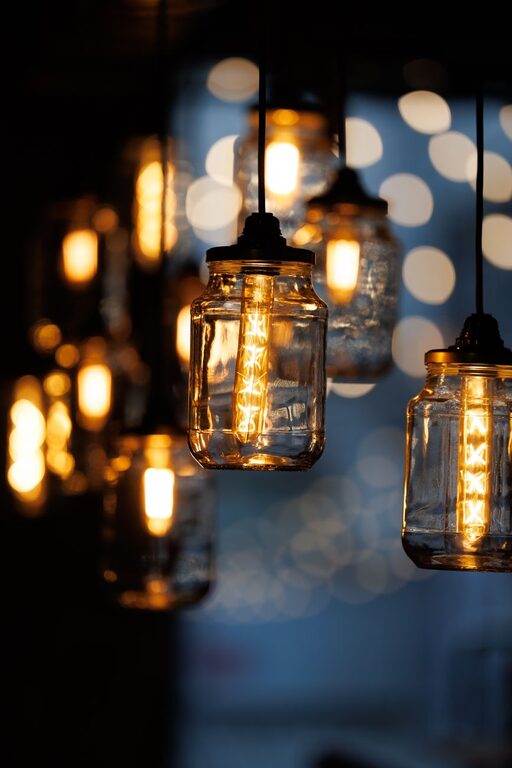
Creating a comfortable atmosphere in your home is essential, and one of the most influential factors is lighting. Good lighting not only illuminates your space but also sets the mood, supports daily activities, and can even impact your well-being. Whether you’re updating existing fixtures or planning lighting for a new home, choosing the right lighting can make a big difference.
In this guide, we’ll explore key tips to help you select comfortable home lighting that fits your needs and style.
Understand Different Types of Lighting
Before choosing fixtures, it helps to know the three main types of lighting each room needs:
– Ambient Lighting: This is the general lighting that provides overall illumination. Examples include ceiling-mounted fixtures, chandeliers, or recessed lights.
– Task Lighting: Focused lighting designed to help you perform specific activities like reading, cooking, or working. Desk lamps, under-cabinet kitchen lights, and vanity lights fall into this category.
– Accent Lighting: Used to highlight artwork, architectural features, or to create mood with softer light. Wall sconces or adjustable spotlights are common accent lights.
Balancing these types creates a layered lighting scheme that can be adjusted for comfort and function.
Choose the Right Light Bulbs
The bulb you pick influences brightness, color, and energy use.
– Brightness: Measured in lumens, choose bulbs that provide enough light without glare. For example, an average living room may need about 1,500–3,000 lumens total, spread across several light sources.
– Color Temperature: Measured in Kelvins (K), color temperature affects the feel of your space:
– Warm light (2700K–3000K) is cozy and inviting, good for bedrooms and living rooms.
– Neutral light (3500K–4100K) is suitable for kitchens and bathrooms.
– Cool light (5000K–6500K) mimics daylight and can improve focus, often used in workspaces.
– Energy Efficiency: LED bulbs are the most energy-efficient and long-lasting option today. They also come in a variety of color temperatures and brightness levels.
Opt for Adjustable Lighting
Flexibility makes lighting more comfortable:
– Dimmers allow you to control light intensity easily. Lower light levels create a relaxing vibe, while brighter light is perfect for active tasks.
– Smart Lighting Systems can be programmed or controlled remotely, adjusting color and brightness to match your routine.
– Multiple Fixtures in a room let you switch on only what you need rather than relying on one overhead light.
Consider Fixture Placement
Where you place lights affects comfort and usability:
– Avoid placing lights where they cause direct glare to your eyes.
– Use layered lighting—combine ceiling fixtures with table lamps or floor lamps for even coverage.
– In task areas, such as desks or kitchen counters, place lights close enough to prevent shadows.
– Highlight cozy corners or reading nooks with softer accent lighting.
Match Lighting Style to Room Function
Each room has different lighting needs based on how you use it:
Living Room
This is a social and relaxing space. Use warm ambient lighting with options for dimming. Add table lamps or wall sconces for reading or mood lighting.
Kitchen
Bright, cool white light helps you see clearly for cooking and prep work. Under-cabinet lights can reduce shadows on countertops. Consider adjustable fixture placement around the island or sink.
Bedroom
Warm, soft lighting promotes relaxation. Use bedside lamps with dimmers to create a cozy atmosphere. Avoid harsh overhead lights right before bedtime.
Bathroom
Bright, neutral lighting is best around mirrors for grooming. Consider layered lighting with overhead and side fixtures to minimize shadows.
Home Office
Daylight-mimicking cool white lighting supports focus and reduces eye strain. Use adjustable task lamps to direct light exactly where you need it.
Pay Attention to Lighting Fixtures and Design
The style of your lighting fixtures contributes to overall comfort by complementing your décor and personal preference:
– Choose fixtures with diffusers or shades to soften light.
– Avoid shiny or reflective surfaces that can cause glare.
– Select designs that distribute light evenly in the room.
– Consider fixture height—pendants or chandeliers should be hung at appropriate heights to avoid eyestrain.
Maintain Proper Lighting for Health and Safety
Proper lighting helps avoid accidents like trips and falls, especially in stairways, hallways, and entryways. Use bright but comfortable lighting in these areas.
Also, natural light is vital during the day. Maximize window exposure and consider light-colored walls and reflective surfaces to bounce natural light.
Summary Checklist for Comfortable Home Lighting
– Use a mix of ambient, task, and accent lighting.
– Choose bulbs with appropriate brightness and color temperature.
– Opt for energy-efficient LEDs.
– Install dimmers or smart lighting for adjustability.
– Place fixtures to reduce glare and shadows.
– Match lighting style and intensity to room function.
– Select fixtures that soften light and complement décor.
– Ensure safety lighting in high-traffic areas.
– Incorporate natural light where possible.
By thoughtfully selecting the right lighting, you can create a home environment that feels welcoming, comfortable, and practical for all your activities. Lighting is not just about visibility—it’s about atmosphere and enhancing your daily living experience. Take the time to plan your lighting well, and enjoy the benefits of a beautifully lit home.